
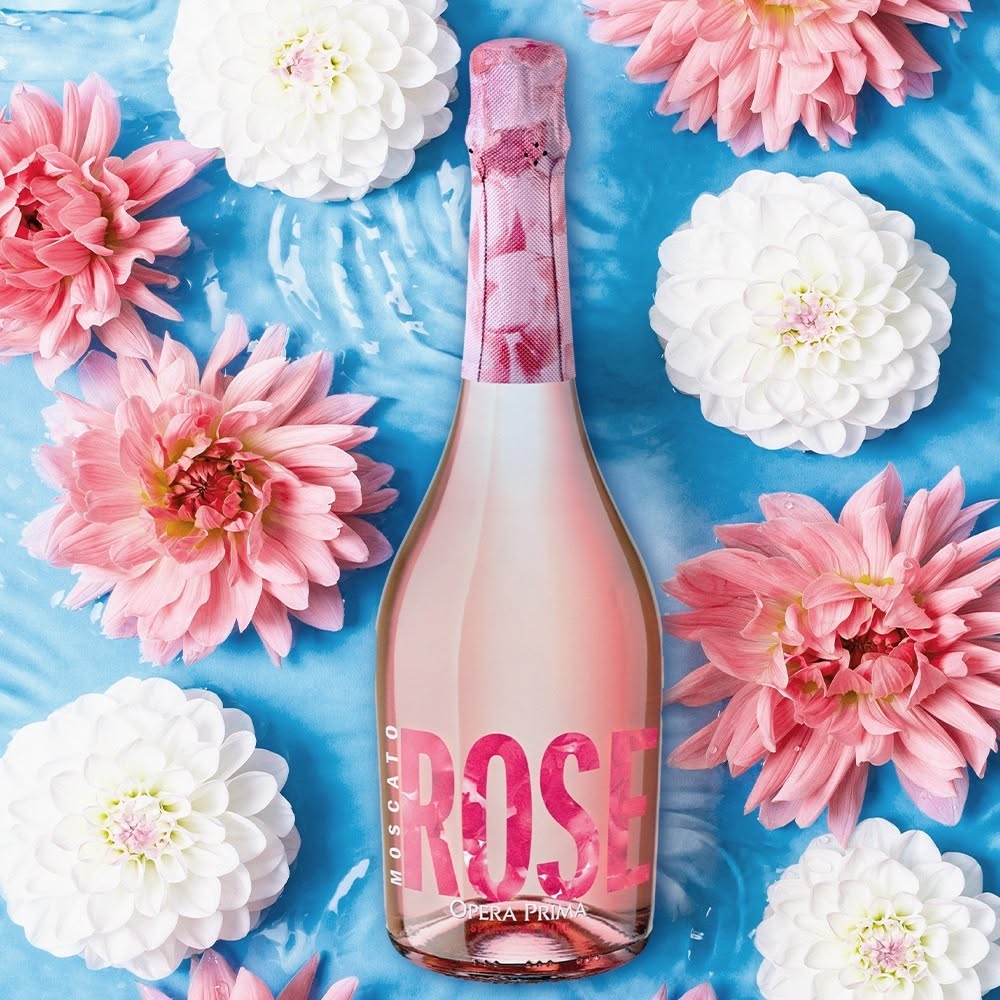
Rosé Moscato wine is sweet, fruity, floral, and lightly sparkling, with the kind of refreshing taste that works just as well at brunch as it does with dessert.
What Does Rosé Moscato Taste Like?
If you like wines with noticeable fruit flavor, Rosé Moscato is an easy style to try. It is typically sweet, aromatic, and refreshing, with fruit and floral notes rather than the crisp, dry profile you might expect from a Brut sparkling wine.
Opera Prima Rosé Moscato adds a soft rose petal aroma to that fruit forward profile. It is a good choice when you want something that tastes approachable and looks festive in the glass without needing to turn it into a cocktail.
You may notice flavors that remind you of berries, peaches, citrus, or other ripe fruit. The exact balance depends on the wine, but the overall experience is usually bright, sweet, and easy to sip.
If you are completely new to Moscato, our guide to what Moscato wine tastes like is a useful place to start.
Is Rosé Moscato Sweet?
Yes. Rosé Moscato is generally a sweet style of sparkling wine.
That makes it particularly appealing if you find very dry sparkling wines too sharp. If you normally reach for fruit forward white wines, Moscato can offer a similar sense of ripe fruit while adding bubbles and a little extra lift.
A simple way to think about the difference is this:
Rosé Moscato: Sweet, fruity, floral, and refreshing.
Brut: Drier, crisper, and less sweet.
Extra Dry: Still relatively approachable, but with more sweetness than a Brut.
There is no right choice between them. It comes down to what you enjoy drinking. If you like a sweeter glass with plenty of fruit character, Rosé Moscato is likely to be a better match for your palate.
What Makes Opera Prima Rosé Moscato a Good Choice?
Opera Prima Rosé Moscato fits naturally into casual celebrations, brunches, dinners, and afternoons with friends.
The wine brings a soft pink color to the table, along with a refreshing profile and a hint of rose petal aroma. That combination makes it easy to serve on its own instead of building a cocktail around it.
It also gives you plenty of flexibility when planning food.
For a brunch, serve it alongside strawberries, pastries, French toast, or a fruit filled dish. For an afternoon gathering, pair it with soft cheese and fresh berries. If dessert is on the menu, try it with strawberry shortcake, peach cobbler, or a berry tart.
The wine does not need a complicated presentation. Chill the bottle, choose your glasses, and serve it with food that matches its fruit forward character.
What Food Pairs Well With Rosé Moscato?
The best Rosé Moscato pairings tend to have enough fruit, creaminess, sweetness, or spice to complement the wine rather than overpower it.
Fresh Fruit and Berries
Strawberries, raspberries, peaches, watermelon, grapes, and other fresh fruit are natural partners for Rosé Moscato.
Try a simple plate of strawberries and peaches alongside chilled Rosé Moscato for a warm afternoon. The fruit echoes the wine’s fruity character instead of competing with it.
Soft Cheeses
Soft cheeses give you a savory contrast to the wine’s sweetness.
Brie, goat cheese, and mascarpone are good options. Add crackers, strawberries, grapes, and a little honey for an easy spread that works for brunch or an afternoon gathering.
This is also a practical option when you are hosting because the food requires very little preparation.
Brunch Foods
Rosé Moscato works particularly well with sweeter brunch dishes.
Try it with:
- French toast topped with strawberries
- Waffles with fresh berries
- Fruit filled crepes
- Croissants and pastries
- Yogurt with granola and peaches
- A breakfast cheese board
If you are planning a sparkling wine brunch, Opera Prima also has ideas for hosting a brunch with sparkling wines.
Spicy Foods
Sweet wine can be a useful contrast when a dish has noticeable heat.
Try Rosé Moscato with spicy Asian dishes, dishes seasoned with chili, or other recipes where the sweetness of the wine can cool the palate between bites.
You do not need to make the food extremely spicy. Even a dish with a moderate amount of chili can create an interesting contrast with a sweeter sparkling wine.
Fruit Based Desserts
Rosé Moscato is an especially easy match for desserts built around fruit.
Try it with:
- Strawberry shortcake
- Peach cobbler
- Berry tarts
- Fruit sorbet
- Cheesecake topped with berries
- Chocolate covered strawberries
The wine’s sweetness works best when the dessert is not dramatically sweeter than the wine itself.
How Should You Serve Rosé Moscato?
Serve Rosé Moscato chilled. That is the simplest step you can take to keep it refreshing and enjoyable.
Chill the bottle before guests arrive rather than trying to cool it after opening. If you are serving a group, keep the remaining bottle cold while you pour.
A flute is a traditional choice for sparkling wine because it shows off the bubbles. A white wine glass also works if you want more room for the wine’s aromas.
When pouring, tilt the glass slightly and pour slowly. This helps control the foam and gives you a cleaner pour.
You do not need special wine equipment or a formal table setting. Rosé Moscato works just as well in a casual outdoor setting as it does at a dinner table.
When Should You Serve Rosé Moscato?
One of the easiest things about Rosé Moscato is that you do not have to save it for a major celebration.
Brunch With Friends
For a weekend brunch, serve it with French toast, fresh berries, pastries, or a light cheese board.
The sweetness works especially well when the food has fruit or a little richness. The pink color also makes it a natural choice for bridal showers, birthday brunches, and other daytime gatherings.
Girls’ Night
Rosé Moscato is a simple option for a relaxed night with friends.
Put out strawberries, popcorn, soft cheese, crackers, or chocolate covered fruit and pour the wine chilled. There is no cocktail shaker, special garnish, or complicated recipe required.
Summer Picnics
Rosé Moscato can also work well for a picnic menu.
Pack a bottle with berries, soft cheese, crackers, and a few pastries. Keep the wine properly chilled until you are ready to serve it.
For more ideas, see our guide to summer picnic essentials and sparkling wine.
Birthdays and Celebrations
The pink color makes Rosé Moscato an easy fit for birthdays, bridal showers, engagements, and other celebrations.
It also gives hosts a simple way to offer sparkling wine without asking guests to mix their own drinks.
Date Night
For dinner at home, serve Rosé Moscato with a lighter meal and finish with a fruit based dessert.
A bottle of chilled Rosé Moscato can take you from dinner to dessert without changing the drink. That makes it a practical choice when you want one wine that can work across the evening.
Rosé Moscato vs. Other Sparkling Wines
Choosing a sparkling wine becomes much easier when you start with sweetness.
If you prefer sweeter wines with noticeable fruit flavor, Rosé Moscato is a strong place to start.
If you normally drink dry wines and prefer a crisp, less sweet finish, a Brut may suit you better.
If you want something between those two styles, Opera Prima also offers other sparkling wine options, including Extra Dry and Brut.
The best choice depends on what you actually like to drink. A guest who loves sweet Moscato may not want the same bottle as someone who always orders a dry sparkling wine.
When you are hosting, offering different styles can be the easiest solution.
Can You Use Rosé Moscato in Cocktails?
Yes, but you do not need to mix it to enjoy it.
Rosé Moscato already brings sweetness, fruit flavor, floral character, and bubbles to the glass. If you do want to make a cocktail, choose ingredients that complement those qualities rather than covering them up.
Fresh berries, strawberry purée, lemon, and other fruit flavors can work well.
Opera Prima’s cocktail collection includes recipes that use its sparkling wines in creative combinations. If you want to experiment, you can explore the sparkling wine cocktail recipes for ideas.
For Rosé Moscato specifically, keep the recipe simple. A few complementary ingredients are usually enough.
Who Should Choose Rosé Moscato?
Rosé Moscato is worth trying if you:
- Prefer sweet or fruit forward wines
- Enjoy berries, peaches, and floral flavors
- Find very dry sparkling wines too sharp
- Want an easy wine for brunch
- Like pairing wine with fruit and desserts
- Want a pink sparkling wine for celebrations
- Prefer a wine that can be served straight from the bottle
If you are shopping for sparkling wine for a group, think about what your guests normally drink. Rosé Moscato is a particularly good option for people who prefer sweetness, while a Brut is more suitable for guests who enjoy dry sparkling wine.
The Best Way to Enjoy Rosé Moscato
There is no complicated formula for serving Rosé Moscato.
Keep it chilled. Pair it with food that works with its sweetness and fruit character. Serve it at the occasions where you would normally reach for something refreshing and celebratory.
That could mean strawberries and French toast at brunch, soft cheese and fruit at a picnic, or a berry dessert after dinner.
Opera Prima Rosé Moscato gives you a simple option when you want sparkling wine that is sweet, fruity, floral, and easy to share.
Choose the food, chill the bottle, pour a glass, and enjoy it while it is cold and fresh.
Frequently Asked Questions About Rosé Moscato
Is Rosé Moscato sweet?
Yes. Rosé Moscato is generally a sweet, fruit forward sparkling wine. It is a good choice for people who prefer noticeable fruit flavor and find very dry sparkling wines too sharp.
What does Rosé Moscato taste like?
Rosé Moscato is typically sweet, fruity, floral, and refreshing. Opera Prima Rosé Moscato has a refreshing character with a hint of soft rose petal aroma.
What food pairs well with Rosé Moscato?
Fresh berries, peaches, soft cheeses, brunch dishes, lightly spicy foods, and fruit based desserts are all good choices.
Should Rosé Moscato be chilled?
Yes. Serve Rosé Moscato chilled. Keeping it cold helps maintain its refreshing character and makes it especially enjoyable for brunches, picnics, parties, and warm weather gatherings.
Is Rosé Moscato good for brunch?
Yes. Its sweet, fruit forward profile works well with French toast, waffles, fresh berries, pastries, and other brunch foods. Its pink color also makes it a natural choice for birthday brunches and bridal showers.
Can you use Rosé Moscato in cocktails?
Yes. Rosé Moscato can be enjoyed on its own or used in simple sparkling cocktails. Fruit flavors such as strawberry and berry can complement its existing character without overpowering the wine.